

This means that you should have a clear understanding of your business model, target market, and financial projections. Your business plan should be realistic and achievable, and it should be clear how you plan to use the funds you are requesting. All of these factors make it difficult to estimate the amount of money a startup will need with any degree of accuracy. However, there are a number of methods that can be used to estimate the amount of money a startup Financial Forecasting For Startups will need. Excel templates are widely used by startups for financial forecasting. These templates provide a structured format for inputting financial data and generating projections.
Market Multiple Method

If you’re looking to raise money from investors, the amount of money you’ll need to start your business will depend on how much money you can raise. Investors typically want to see that you have some skin in the game, so they may require you to invest some of your own money into the business before they’re willing to invest. In addition, if you’re starting a business with your own savings, you may need to factor in the opportunity cost of using that money to start your business.
What is a Startup Financial Model?
- Once your startup is operational, you’ll start gathering real-world data.
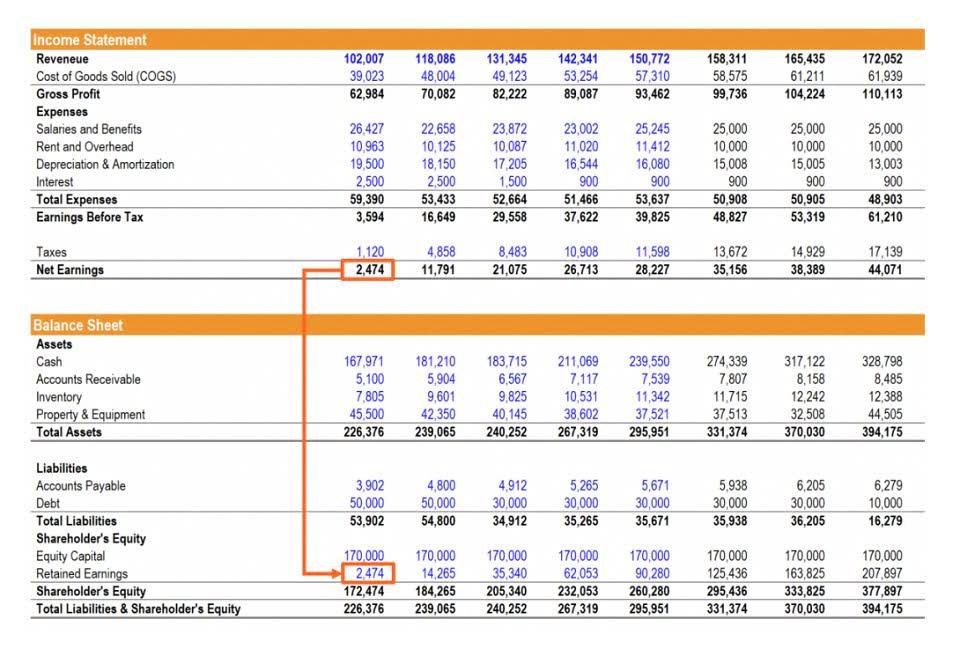
- This tool allows you to take a more detailed look at the business finances to determine strengths and weaknesses while also estimating future financial performance.
- This will help you ensure that you have the funds necessary to promote your business and build your brand.
- In conclusion, communicating the estimated budget to stakeholders and team members requires careful planning, transparency, and effective communication strategies.
- As we mentioned, your business plan should include information on your products or services, your target market, your competitive landscape, and your growth strategy.
- Once the investor has a handle on the business model, they can start to build a financial model for the startup.
These can be divided into one-time start-up costs and recurring expenses. No matter which type of funding you pursue, remember that it’s important to have a solid business plan and to be prepared why are financial needs of startup businesses difficult to calculate? to answer tough questions from potential investors. Funding your startup is an important step in the journey to launching a successful business, so choose the option that’s right for you and your company. As a startup founder, it’s critical that you have a clear understanding of your company’s capital needs. This will ensure that you have the necessary resources to scale your business and achieve your long-term goals.
Types of startup capital
Moreover, accurate estimations help in ensuring the sustainability of your startup by avoiding cash flow shortages and financial pitfalls. Overall, both Excel templates and specialized software can significantly benefit startups in estimating their financing requirements. These tools provide the necessary framework for financial planning and projection, enabling entrepreneurs to make well-informed decisions about their funding needs. The journey of a startup or an early-stage business is fraught with challenges and obstacles, particularly on the financial front. From managing cash flow to dealing with competition, these hurdles can be significant. Yet, with the right strategies and insights, overcoming them is within reach.

Step One: Research and Plan
Even if you are well skilled in your industry, such as a chef, you must have an excellent working knowledge, adequate skills, and some experience in business functions. It isn’t easy to get a business loan from a traditional bank these days, so I suggest entrepreneurs look at these 17 proven funding sources as ways to find the capital you need to get started. Becoming a successful entrepreneur requires a unique set of skills, including salesmanship, people management, financial acumen, and emotional strength. To make your business launch easier, I recommend that you learn new skills, get additional support, and hire specialists and expert consultants. Let’s look at our financial “close,” when we finalize our recordkeeping for the previous period. How long this close takes has a dramatic impact on both the speed with which your organization makes decisions, and the time it takes to understand the impact of those decisions.
Quantitative Startup Valuation Methods
Startup capital provides your new business with the financial tools to build a foundation for your company. From research and development to unearned revenue technology expenses, startup capital paves the road for your startup to reach important milestones. The strategies that worked to get the company to its current point might hinder it as it scales.
- In this answer, I will outline several key steps that startups can take to ensure accurate budget estimation for their marketing expenses.
- You will spot many problematic issues and resolve them early while drafting this document – this will better ensure your profit.
- Finally, another reason why startups find it difficult to obtain external finance is that they lack the knowledge to properly understand the needs of different types of investors.
- Go ahead and write a detailed business plan with detailed financial projections.
- Professionals bring experience and expertise that can identify nuances you might miss.
- Then you will need to get creative about ways to find the money for your new business funding.
How can a startup evaluate its profitability and identify areas for improvement through financial analysis?

With that being said, balanced reporting processes should follow a similar shape. The relevance of this framework to financial reporting is obvious — reporting forms the core of the observation and orientation half of the loop. One can see how the typical quarterly board meeting theoretically represents this framework working perfectly.
Raising Capital
- The goal is to scale the business globally, build a larger market share, and prepare for potential sale through an IPO or a major acquisition.
- Generally, investors prefer to invest in businesses with lower risks.
- Collect data from previous bills, quotes, and industry standards to create a reliable startup expenses breakdown.
- In addition, you also need to project one-time damages and other uncertainties that may potentially hike your expenses.
- This can help you focus your resources on the areas that will have the biggest impact on your bottom line.
- Understanding this distinction is vital for effective budgeting for new business, as it helps you anticipate how costs might change as you scale operations.
- This number can help you decide how much money is worth investing to win each new customer.
However, if your burn rate is low, you may be able to wait longer to seek additional funding. This is the difference between your gross profit and operating expenses. Fortunately, creating a financial forecast for your startup is not as difficult as it may seem. With a little time and effort, you can develop a forecast that will give you a good sense of where your business is headed.